

What are pH, EC, DO, ORP, and NTU? Key Water Quality Parameters Explained
Two beakers of water can look like twins and be nothing alike. pH, EC, DO, ORP and NTU are the...
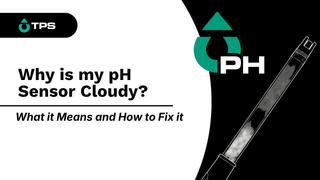
Why is my pH Sensor Cloudy? What it Means and How to Fix it
Cloudy pH sensor? It's usually crystallised electrolyte or fouling on the glass - and neither one means with certainty that...
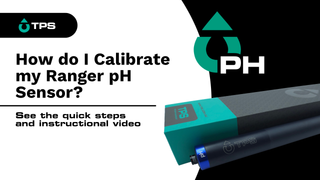
How do I Calibrate my Ranger pH Sensor?
Need a hand figuring out how to calibrate your Ranger pH sensor? Good news - it's a simple and quick...

Explore Project GreenLight - A UniSC and TPS Thesis by Tyler Fratus
At TPS, we love seeing engineering ideas move from theory into the real world.That's exactly what's happening with Project GreenLight...

TPS + Leichhardt Industry Pathways Initiative
Connecting Queensland's next generation of environmental scientists and water technicians with real-world opportunities across our industry network...
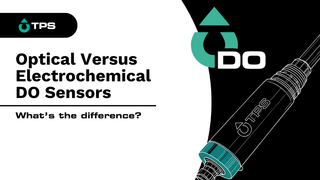
Dissolved Oxygen Sensors: What is the Difference Between Electrochemical and Optic?
Today, we dive into the differences between electrochemical and optical dissolved oxygen sensors, so you can make an informed choice for...
Why is my pH Reading Slow to Stabilise? 10 Common Causes and How to Fix Them
Slow or unstable pH readings? Explore key causes like hydration, fouling, low ionic strength, temperature effects and more, with practical...
Which k-Value Should I Choose for my Conductivity Sensor?
K-Values can be confusing. Learn how to choose the best conductivity (EC) sensor k-Value for your water quality sample type...
Get All The Updates
Subscribe to our newsletter to receive monthly updates on all things TPS and the water industry.