
Optical dissolved oxygen sensors use luminescence rather than chemical reactions, making them far more stable, accurate, and lower maintenance than electrochemical DO sensors. They require no semi-permeable membranes and less frequent calibration, making them ideal for long-term monitoring, harsh environments, and applications where reliability is critical.
What is a Dissolved Oxygen (DO) Sensor?

A dissolved oxygen sensor measures how much oxygen is present in water, a key parameter for assessing aquatic health, wastewater processes, environmental monitoring, and industrial water management.
Two main technologies exist today:
• Electrochemical DO sensors (traditional)
• Optical DO sensors (modern, membrane-free)
Below, we break down how each works and why many industries are moving toward optical DO technology.
How Do Electrochemical DO Sensors Work?
Electrochemical DO sensors measure oxygen using an electrochemical reaction.
They typically contain:
• A cathode and anode
• An electrolyte solution
• A semi-permeable membrane
Oxygen diffuses through the membrane and reacts at the cathode, generating a current. The strength of this current corresponds to the dissolved oxygen level.

What Are the Limitations of Electrochemical DO Sensors?
Electrochemical sensors have been widely used, but they come with notable drawbacks:
- Frequent calibration required
- Membrane maintenance and replacement
- Drift in harsh or polluted environments
- Higher likelihood of fouling
- Greater downtime and operational cost
These issues become especially problematic in long-term or remote monitoring applications.
How Do Optical DO Sensors Work?
Optical DO sensors use luminescence or fluorescence instead of chemical reactions.
They rely on a luminophore material that reacts to oxygen. When exposed to light, the material emits luminescence, and the decay rate of that light indicates the oxygen concentration.
This method eliminates the need for semi-permeable membranes and reduces ongoing maintenance dramatically.

Benefits of Optical DO Sensors
Optical sensors offer several major advantages over electrochemical designs:
- No semi-permeable membrane required → No drift, no frequent replacements
- Less maintenance → Longer calibration intervals, lower cost
- Rapid response time → Better for real-time and dynamic monitoring
- Highly accurate → Unaffected by flow rate or environmental variability
- Excellent long-term stability → Ideal for extended deployments
- Reduced fouling risk → Better performance in challenging environments
Optical vs Electrochemical DO Sensors: Quick Comparison
| Feature / Performance Factor | Electrochemical | Optical |
|---|---|---|
| Semi-permeable Membrane | Yes | No |
| Maintenance Level | High | Low |
| Calibration Frequency | Frequent | Infrequent |
| Susceptibility to Drift | High | Low |
| Response Time | Moderate to slow | Faster |
| Sensitivity to Flow Rate | Yes | No |
| Long-Term Stability | Moderate | Excellent |
| Ideal for | Lower cost, short-term use | Reliable, long-term use |
Which DO Sensor Should You Choose - Optical or Electrochemical?
If you need a dissolved oxygen sensor that delivers accuracy, stability, and low-maintenance operation, optical DO sensors outperform traditional electrochemical sensors in nearly every category.
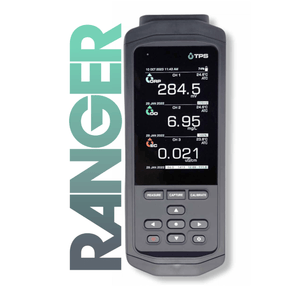
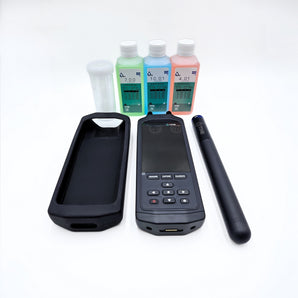
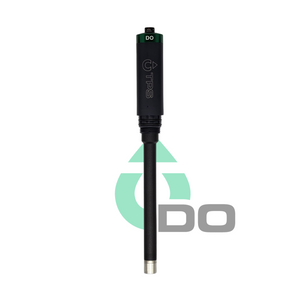
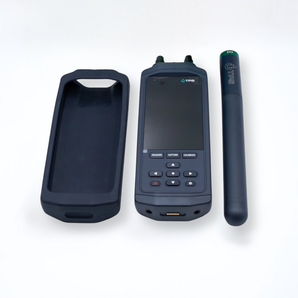
The Ranger DO sensor from TPS combines all the advantages of optical technology with rugged durability and user-friendly engineering - making it an ideal choice for reliable, long-term water quality monitoring across a wide range of industries.
Key Advantages of The Ranger DO Sensor
The Ranger DO Sensor is versatile across different industries. It's suitable for wastewater management, aquaculture, environmental monitoring and sampling, research applications, and more.
The DO-100 sensor features:
- Enhanced durability
- Easy-clean design to keep your sensor in good nick
- Easier maintenance
- Different membrane and fewer calibrations reduce ongoing operational cost.
- Accurate readings in real time
- User-friendly and seamlessly integrated
- Plug-and-play design
- Intuitive interface, making it easy for both beginners and experienced operators.
Read more articles
Browse our latest news and articles below.

What are pH, EC, DO, ORP, and NTU? Key Water Quality Parameters Explained
Two beakers of water can look like twins and be nothing alike. pH, EC, DO, ORP and NTU are the...
Why is my pH Sensor Cloudy? What it Means and How to Fix it
Cloudy pH sensor? It's usually crystallised electrolyte or fouling on the glass - and neither one means with certainty that...
How do I Calibrate my Ranger pH Sensor?
Need a hand figuring out how to calibrate your Ranger pH sensor? Good news - it's a simple and quick...
Get All The Updates
Subscribe to our newsletter to receive monthly updates on all things TPS and the water industry.