
Slow stabilisation is one of the most common frustrations in water quality testing, but thankfully, it’s also one of the easiest to diagnose and fix once you know the underlying causes.
Below, we break down the 10 most common reasons why your pH reading might be taking its time, plus what you can do to fix it.
1. The probe hasn’t fully hydrated
A pH sensor depends on a fully hydrated glass membrane to respond quickly and accurately. If the probe has been stored dry, shipped dry, or hasn’t been soaked long enough prior to use, the membrane behaves sluggishly.
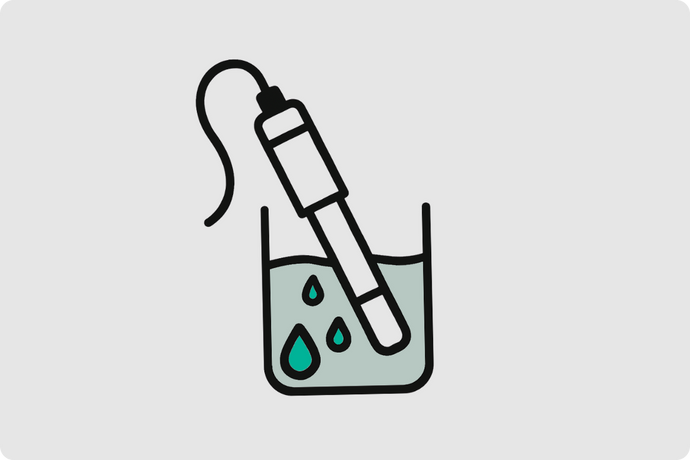
Typical scenarios:
• A brand-new probe straight out of the box.
• A probe accidentally left dry.
• A probe stored in water instead of storage solution (which leaches ions out).
The fix:
Soak the sensor in proper pH storage solution (never deionised water) for several hours or overnight.
2. The junction is clogged or fouled
The reference junction acts as the “breathing point” of a pH sensor. When it becomes blocked, the reference flow slows, and so does the reading. With clogging or fouling, you might also experience drifting values.
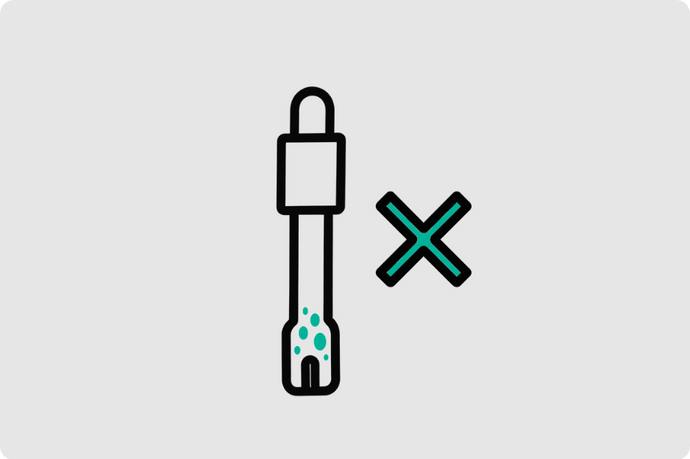
Common culprits:
• Slurries or muddy water.
• High solids.
• Iron-rich samples.
• Mine tailings.
• Wastewater with biofilms.
• Oils and fats.
The fix:
A thorough clean, a junction soak in cleaning solution, or swapping to a sensor designed for dirty environments (e.g. double-junction probes).
3. Differences in temperature
Even with Automatic Temperature Compensation (ATC), the probe itself needs time to thermally equalise with the sample.
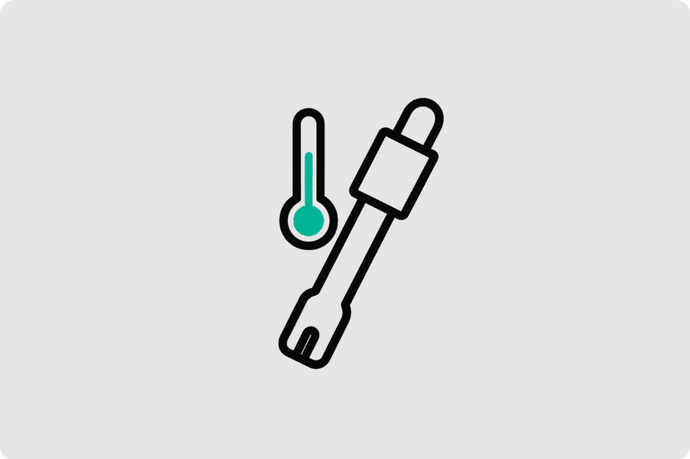
You'll see this when:
• The probe and sample are at different temperatures.
• You move rapidly between hot and cold samples.
• You’re sampling outdoors in full sun or strong wind.
• You’re testing heated process water.
The fix:
Give the probe time to settle at the same temperature as the sample before taking the reading.
4. The sample is not well-mixed
Stratified or partially settled water can give the impression of a drifting probe when the real issue is uneven conditions within the sample itself.
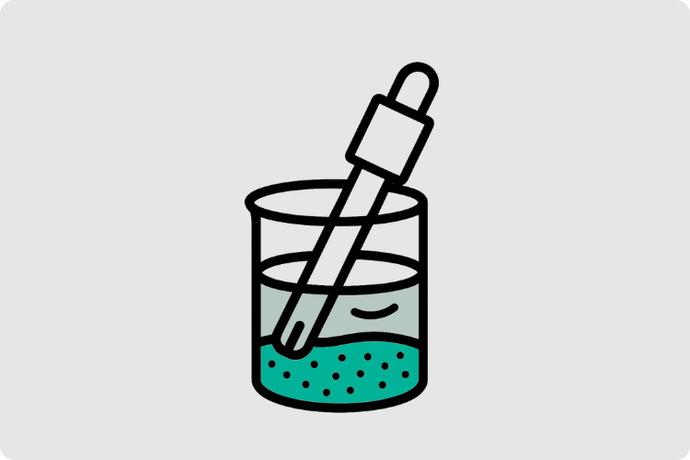
Some examples:
• A beaker with solids settled on the bottom.
• Stormwater with floating debris.
• Sampling from a tank without mixing.
• Environmental samples with temperature or chemistry stratification.
The fix:
Gently swirl the sample before measuring. If you are taking from a larger source, thoroughly mix the source fluid before collecting a sample in a beaker, then measure.
5. Low ionic strength (very pure water)
In very low-conductivity water, there simply aren’t many ions available to transfer the H⁺ signal. This makes pH readings naturally slower and more variable.
Where this shows up:
• Rainwater.
• Deionised or RO water.
• High-purity process water.
• Pristine streams or alpine creeks
The fix:
Be patient, slow stabilisation is normal. You can also opt to use a probe designed for low-ionic-strength water if this is your main application.
6. Old or damaged probe
pH sensors wear out over time. The glass becomes less responsive, the reference solution ages, and the junction dries or degrades.
Signs of ageing or damage include:
• Sluggish stabilisation.
• Increased calibration error.
• Unusual drift between measurements.
• Higher noise in readings.
The fix:
Check regularly for damages to the probe. If you can’t spot any damage and hydration and cleaning don’t improve the response time, the probe is likely approaching end of life and is due for replacement.
7. Inadequate calibration or bad buffers
Your probe can only be as stable as the buffers you’re using. Using contaminated or old buffers during calibration can make the sensor “hunt” for the right reading, slowing stabilisation.
Causes of poor calibration:
• Expired buffers.
• Contaminated buffers.
• Buffers left uncapped.
• Buffers stored at high temperature.
• Using only a single calibration point for a wide range of samples.
The fix:
Use fresh, uncontaminated buffers and replace them regularly - especially pH 4 and pH 10, which degrade fastest.
8. High temperature samples
Hot samples can increase electrode noise and affect membrane behaviour, making readings look unstable or slow.
Typical situations:
• Heated industrial process water.
• Hot wastewater.
• On-site sampling from warm pipes or tanks.
• Outdoor sampling where containers heat in the sun.
The fix:
Allow samples to cool slightly if appropriate or use a pH probe specifically designed for hotter samples.
9. Insufficient time between measurements
If you rapidly switch between samples with very different pH values, the probe’s internal chemistry needs time to “reset.” The bigger the jump, the longer the sensor takes to re-equilibrate.
Example transitions:
• pH 10 rinse to pH 3 sample.
• Acidic creek water to alkaline bore water.
• Mine pit water to tailings water.
The fix:
Allow a few minutes between drastic pH changes, or rinse well in a neutral buffer before the next measurement.
10. Cable or instrument noise
Even the best pH probe will behave badly if the signal is interfered with. Cable noise often presents as fluctuating or sluggish readings that don’t stabilise cleanly.
Look out for:
• Damaged or kinked cables.
• Worn connectors.
• Moisture inside the connector.
• Loose fittings.
• Electrical noise near pumps, motors, or generators.
The fix:
Inspect cables, ensure connectors are dry and tight, and keep the instrument away from strong electrical interference.
Read more articles
Browse our latest news and articles below.

What are pH, EC, DO, ORP, and NTU? Key Water Quality Parameters Explained
Two beakers of water can look like twins and be nothing alike. pH, EC, DO, ORP and NTU are the...
Why is my pH Sensor Cloudy? What it Means and How to Fix it
Cloudy pH sensor? It's usually crystallised electrolyte or fouling on the glass - and neither one means with certainty that...
How do I Calibrate my Ranger pH Sensor?
Need a hand figuring out how to calibrate your Ranger pH sensor? Good news - it's a simple and quick...
Get All The Updates
Subscribe to our newsletter to receive monthly updates on all things TPS and the water industry.